
Influencer Marketing Platform — UX Case Study
Role: UX Research, User Testing, Wireframing, and UI Design Tools: Figma, Google Forms, Miro Duration: 4 Weeks
Introduction
According to Business Insider, Nigeria has the largest number of social media users in Africa. Since the pandemic started, social media use has reached new highs, with people churning out new content on places like TikTok, Instagram, and Facebook. This also led to an increase in a group of social media users called Influencers. Influencers are people who have built up knowledge of a specific topic, they make engaging posts about that topic on their preferred social media platforms and generate large followings of people who pay close attention to their views.
Social media influencers in Nigeria use various means to connect with clients such as emails, direct messages on their preferred social media platforms, or phone calls. Sometimes, this makes it hard for clients or brands to keep track of their social media campaigns with these influencers. There is a need for a centralized system where both influencers and brands can track their campaigns and make necessary changes when needed.
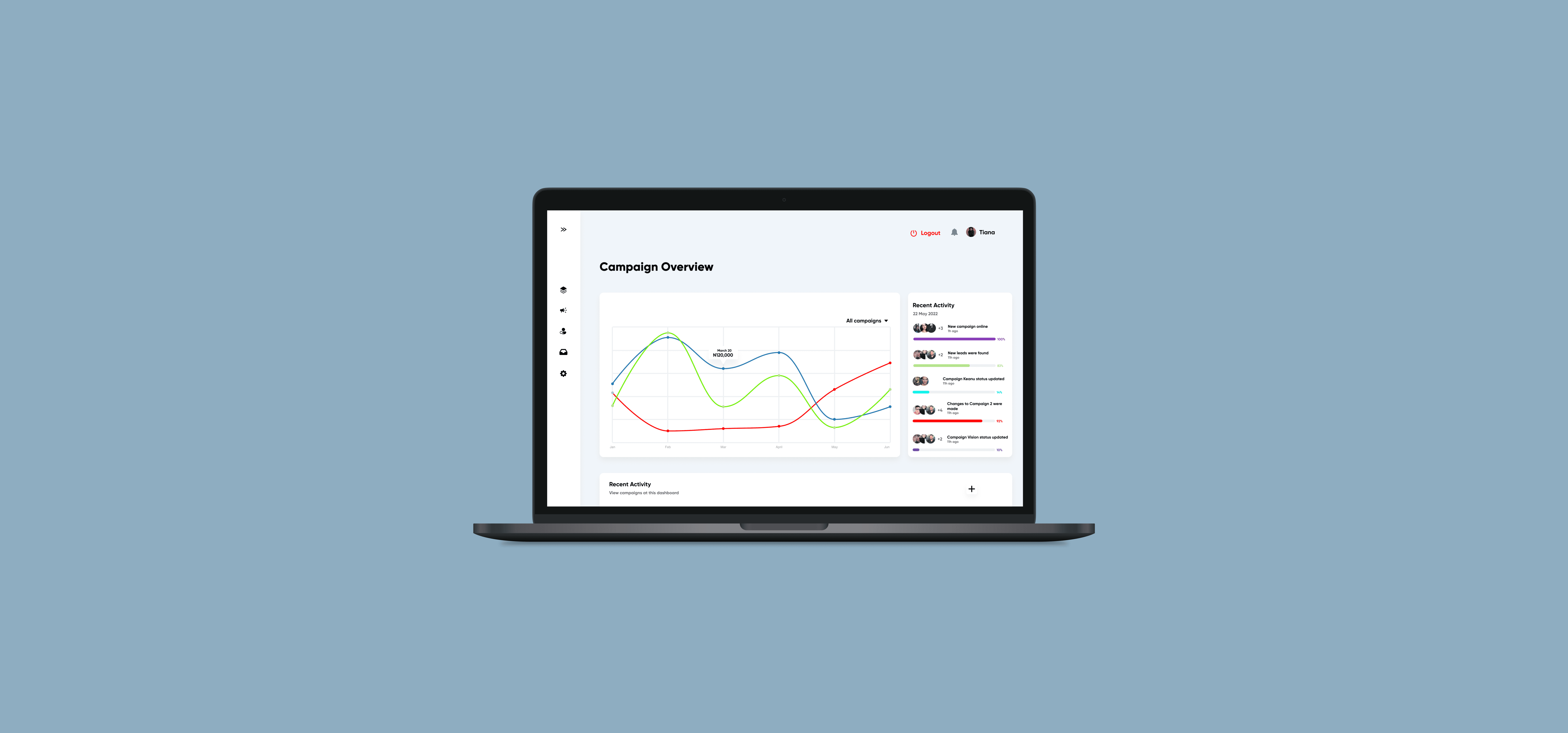
This is an influencer marketing platform that connects both brands and agencies with influencers. The sole aim of the SaaS is to make influencer marketing easy and straightforward for both clients and influencers. It helps companies build better brands through influencer marketing and relationships.
The challenge
A brief was sent out to me to design an influencer marketing platform where brands or agencies can contract influencers that help them promote their goods and services. I wanted a solution that would be an all-in-one platform where influencers and companies can track their social media campaigns, and reach a wider audience too.
Design Process
I started researching immediately after getting the design brief. I researched as deeply as I could in order to get the desired results for the project. The visual design that I came up with wasn't really satisfactory for me so I redesigned it again but it still wasn't up to what I wanted, I'll share both design prototypes and I'll greatly appreciate any feedback.
I followed the design thinking structure for the project and it worked immensely with the designs that I came up with.
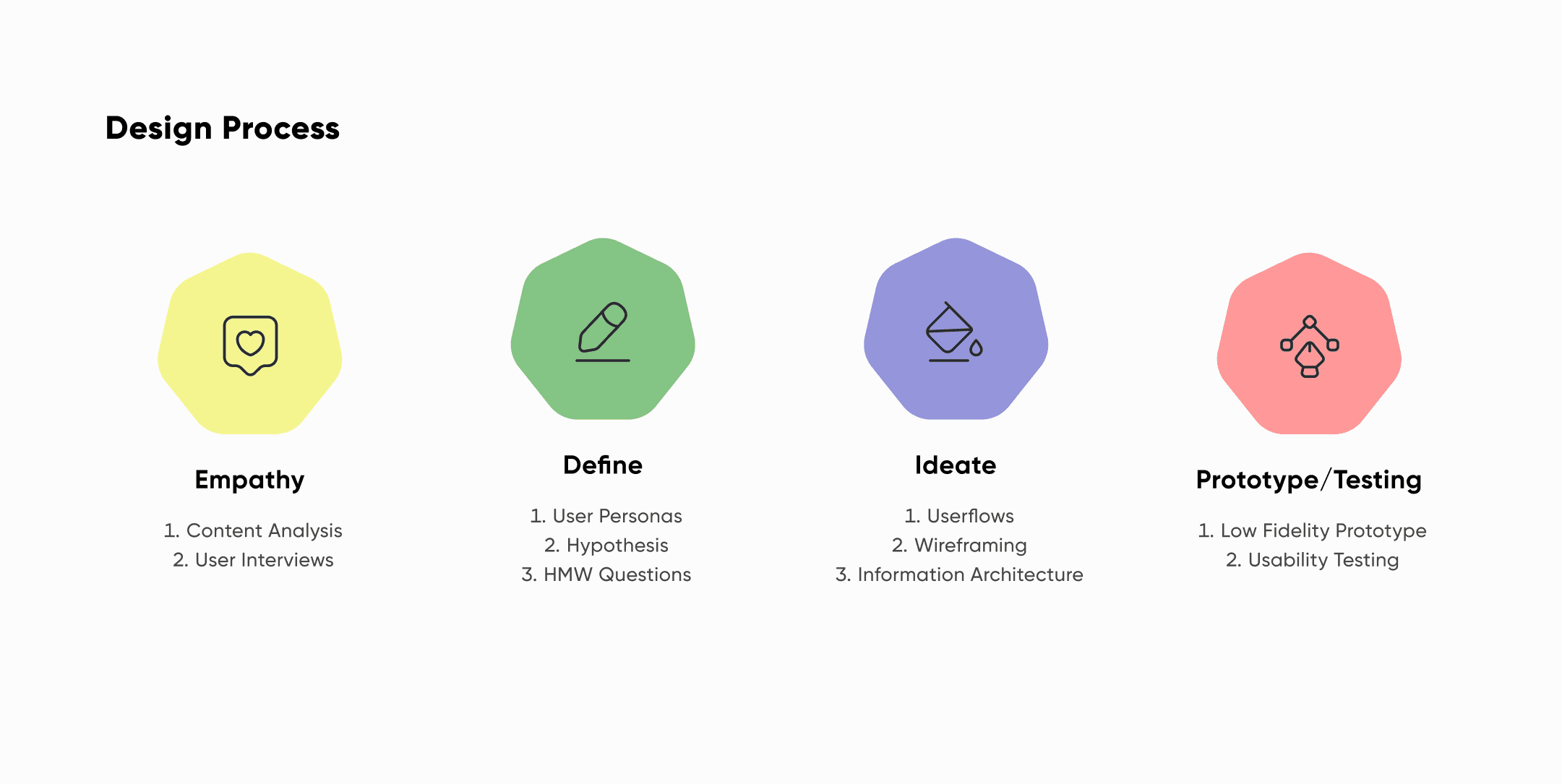
Stage 1: Empathize
The research was conducted to gain insights while also understanding the users and the industry through interviews. The questions that I asked were sent on Reddit with Google Forms and the results that I got from the interview were very insightful. The questions asked helped me to define the goals of the project better while also understanding the users’ behavior towards influencer marketing.
The questions asked were as follows:
Are you an Influencer?
Are you on any Influencer marketing platform?
What social media platform do you use?
Do you work with any brands?
What do you think will help you to be more effective as an influencer?
Have you heard of Influencer marketing?
Do you know of any platform?
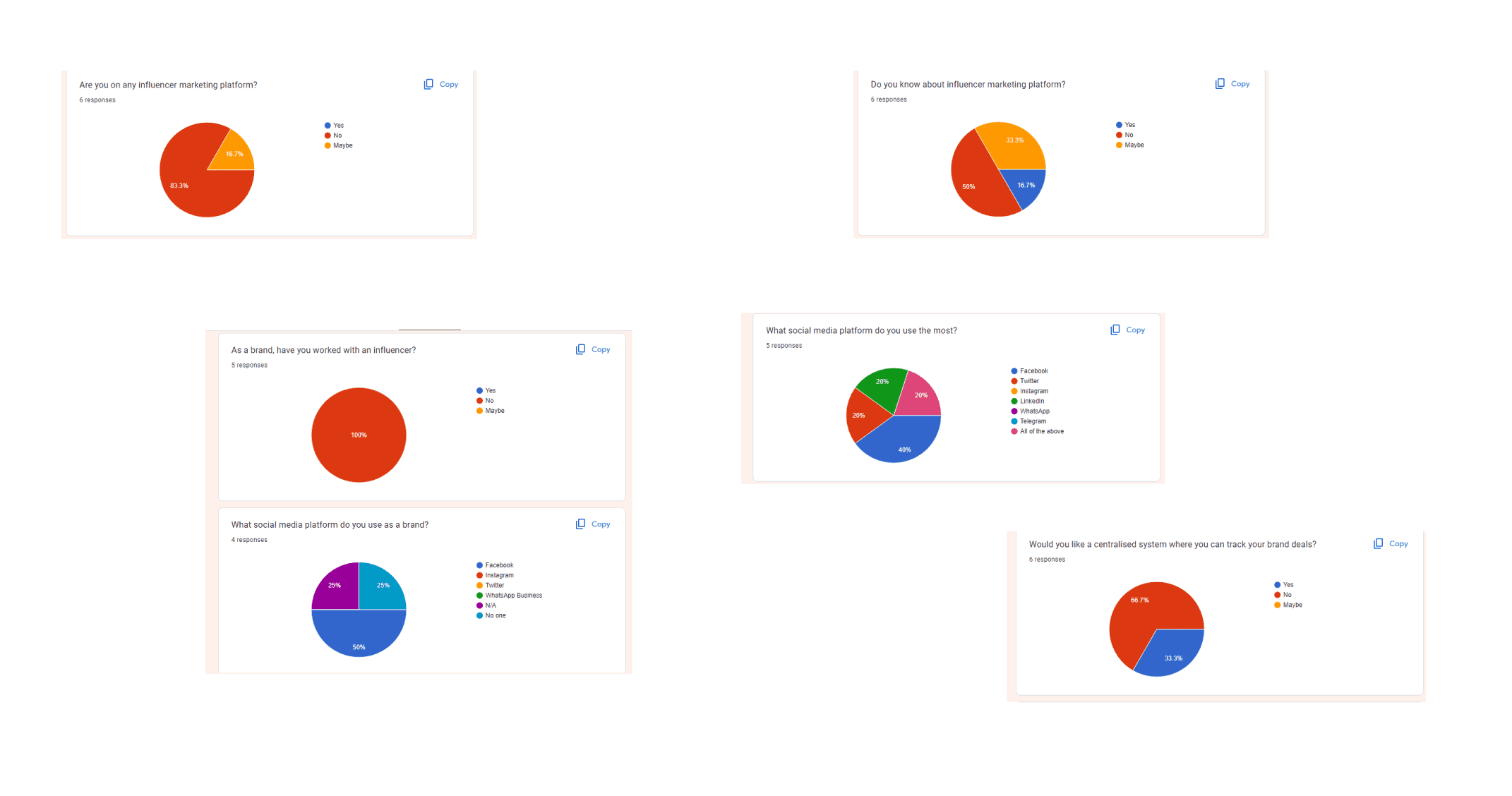
In total, I conducted 9 user interviews for the entirety of the project. I decided to go with both qualitative and quantitative interview processes to give me a wider scope into user behaviors, and motives and to see if they would be interested in joining an influencer marketing platform.
The answers that I got during the process helped me decide on some of the features that will be added to the final visual design.
Key Findings
83.3% of users do not use influencer marketing software.
50% do not know about the influencer marketing system while 16.7% have an idea about the system.
Most of the users stated that they did not want to join an influencer marketing platform because they found it too technical.
However, 33.3% stated that they would love to have a centralized system where they could monitor their brand deals.
Some of the users have worked with brands before as influencers and they love the idea of an influencer marketing platform.
Competitive Analysis
I conducted a competitive analysis to understand the feature set of similar platforms. Due to most of the Influencer marketing platforms being request-based, I had to compile the list of features using websites such as Shane Barker to compare the features. Through this, I made a list of possible features that were needed for the platform and compared them with two other Influencer marketing platforms. Below are the Influencer marketing platforms that I used
Upfluence —It is an all-in-one influencer marketing platform that allows you to find the top influencers, monitor campaigns, and generate more lead sales through authentic influencer partnerships.
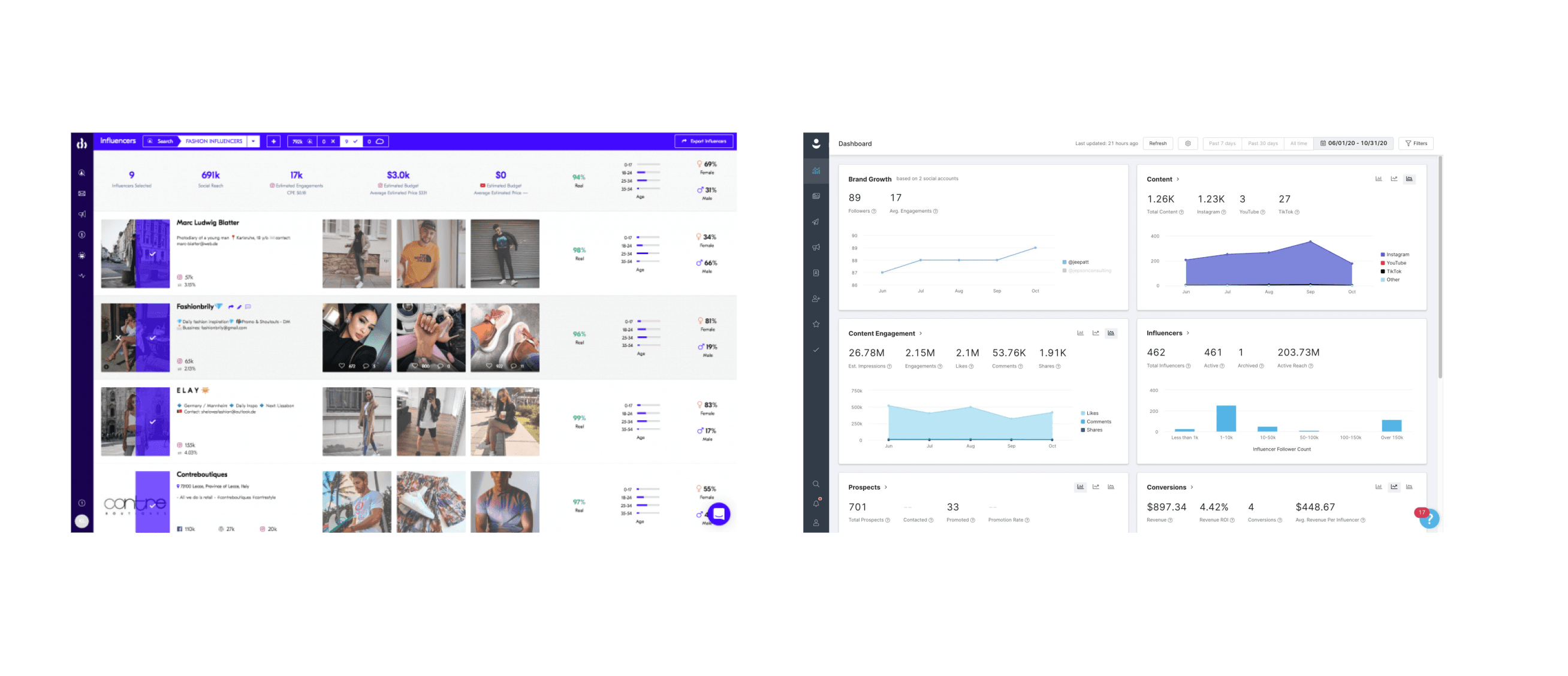
Grin — It is an influencer marketing platform that allows companies to create genuine relationships with influencers.
After further analyzing both platforms, I identified the features needed for the platform. These features are as follows:
Email system
Third-party integrations such as Shopify, Woocommerce
Communication services such as real-time chat, SMS, etc.
Office tools like Office 365
Discovery
Search
Analysis and Monitoring tools such as metrics tracking
Import and export files
Stage II: Define
User Persona
I created the user persona to help me understand the user better
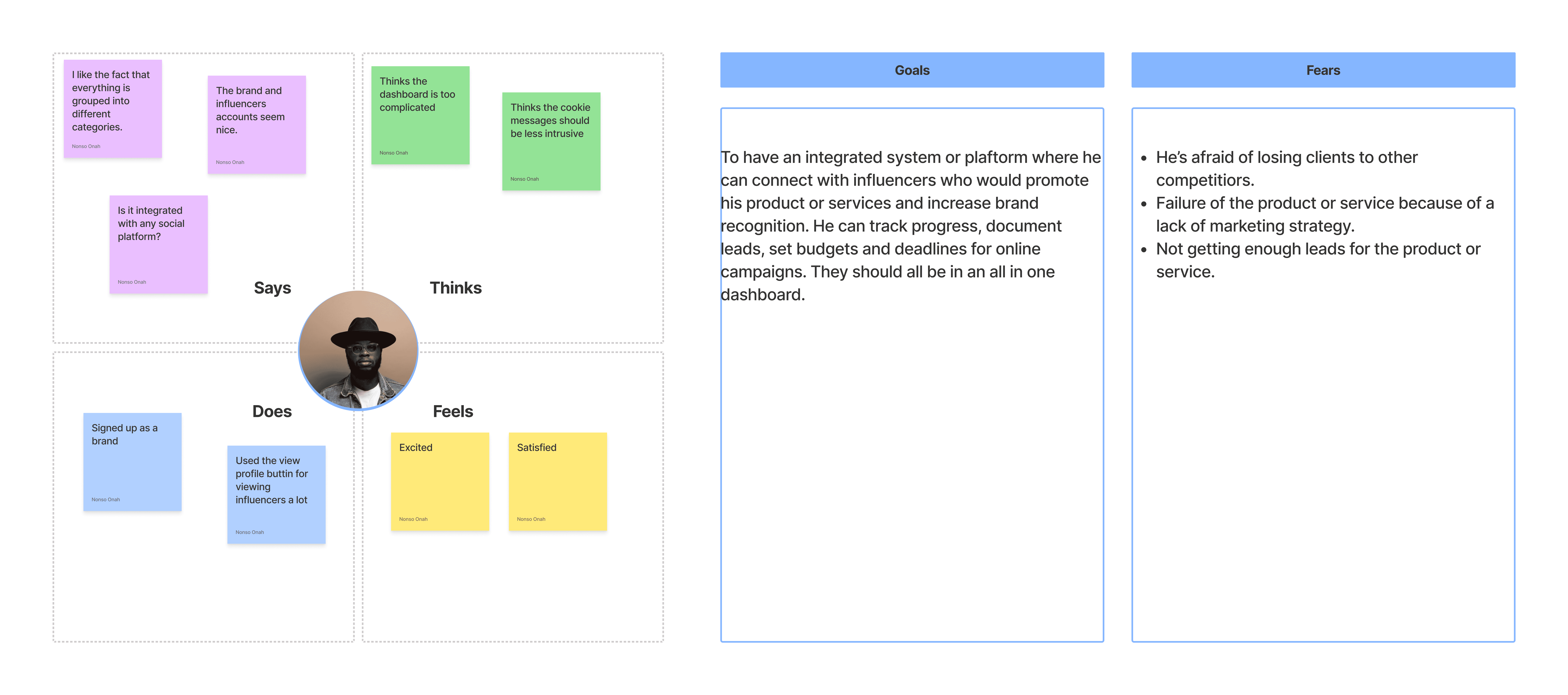
I created the persona based on the research done and this in turn helped me to come up with the project goal.
Project Goal: To design a platform where brands and influencers can connect and build relationships.
How Might We Questions
These questions were created based on the users.
How might we make it easier for brands and influencers to connect?
How might we improve discoverability for influencers?
How might we help brands find influencers that suit what they are looking for?
How might we help brands and influencers easily track campaign progress?
Stage III: Ideation
Site Map
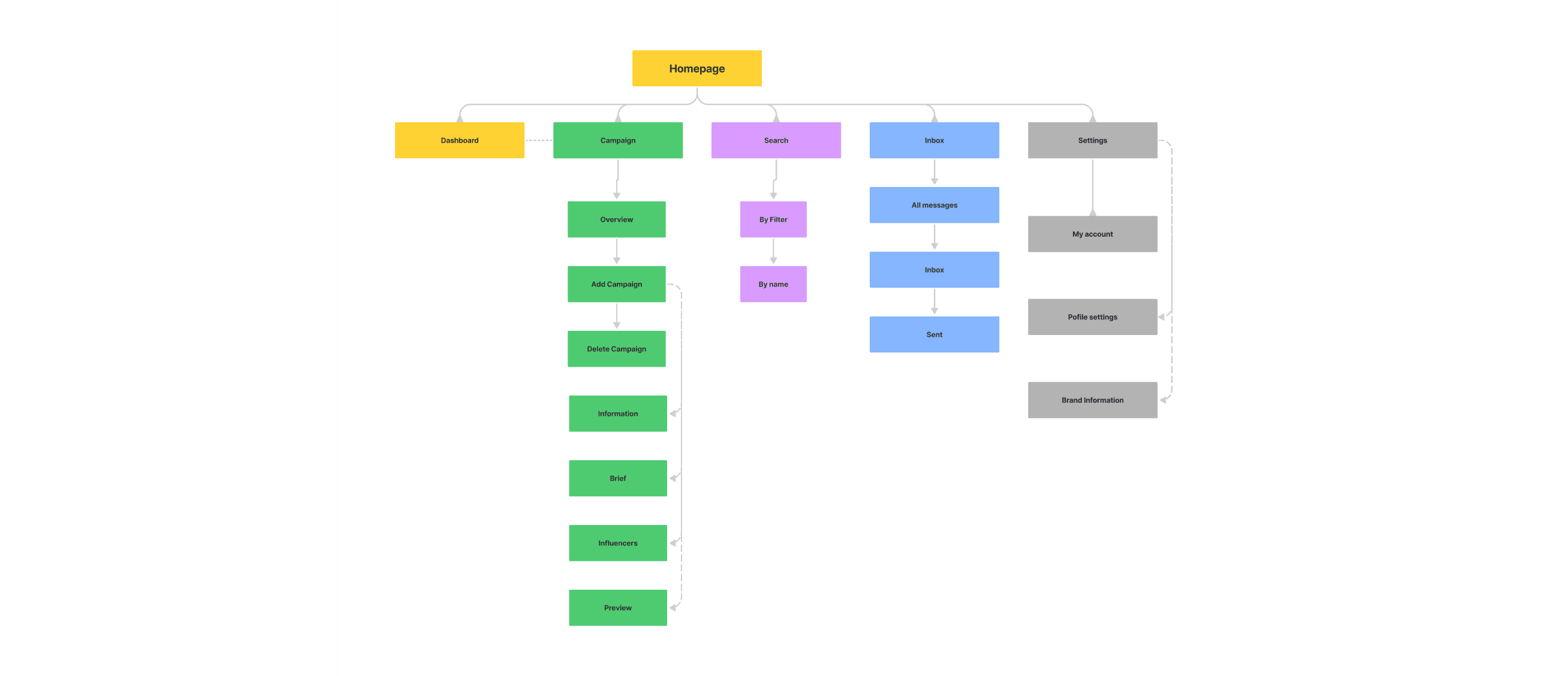
During this stage, I created the site map and then proceeded to design the low-fidelity wireframes for the platform.
Low-Fidelity Wireframes
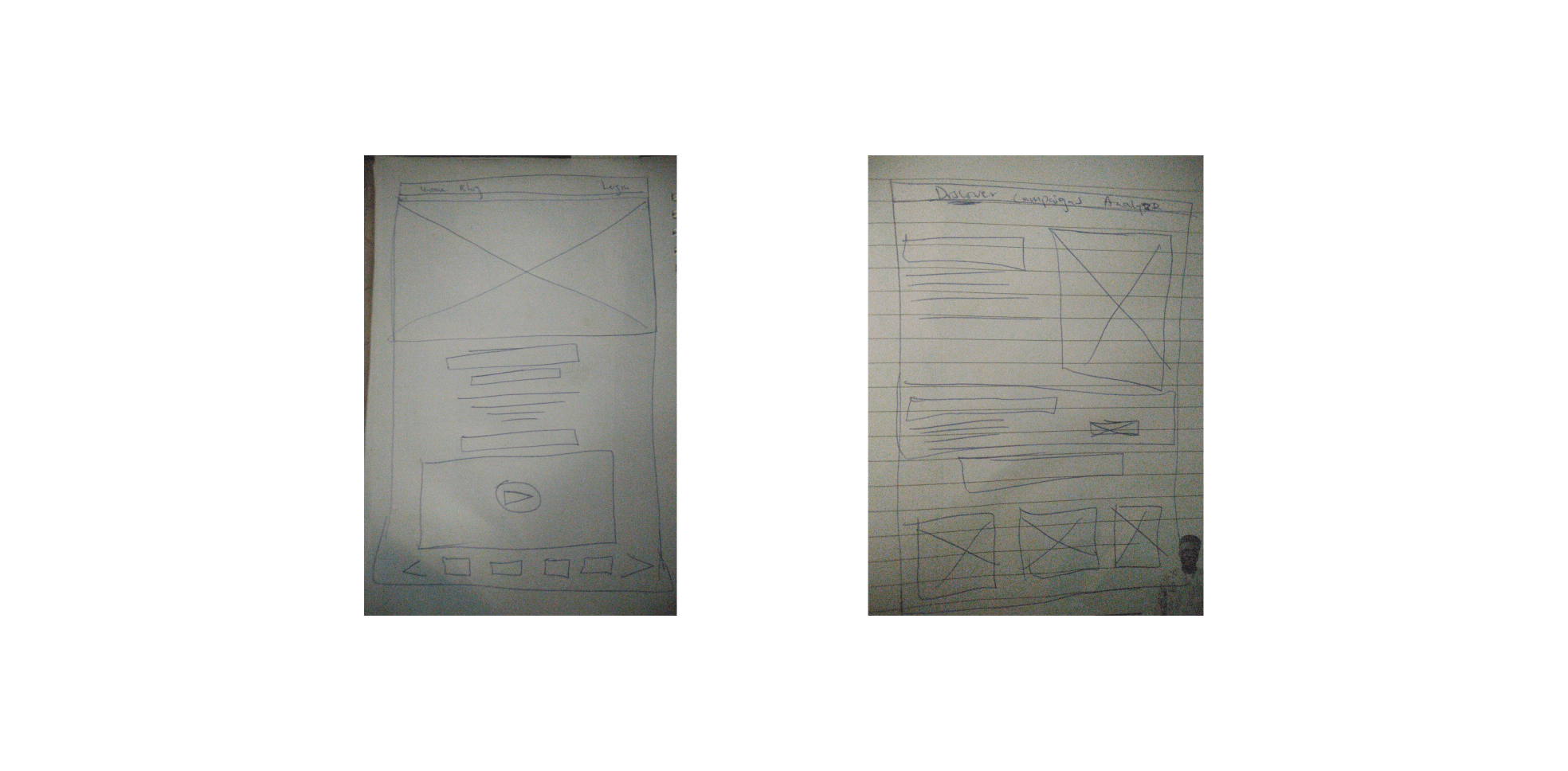
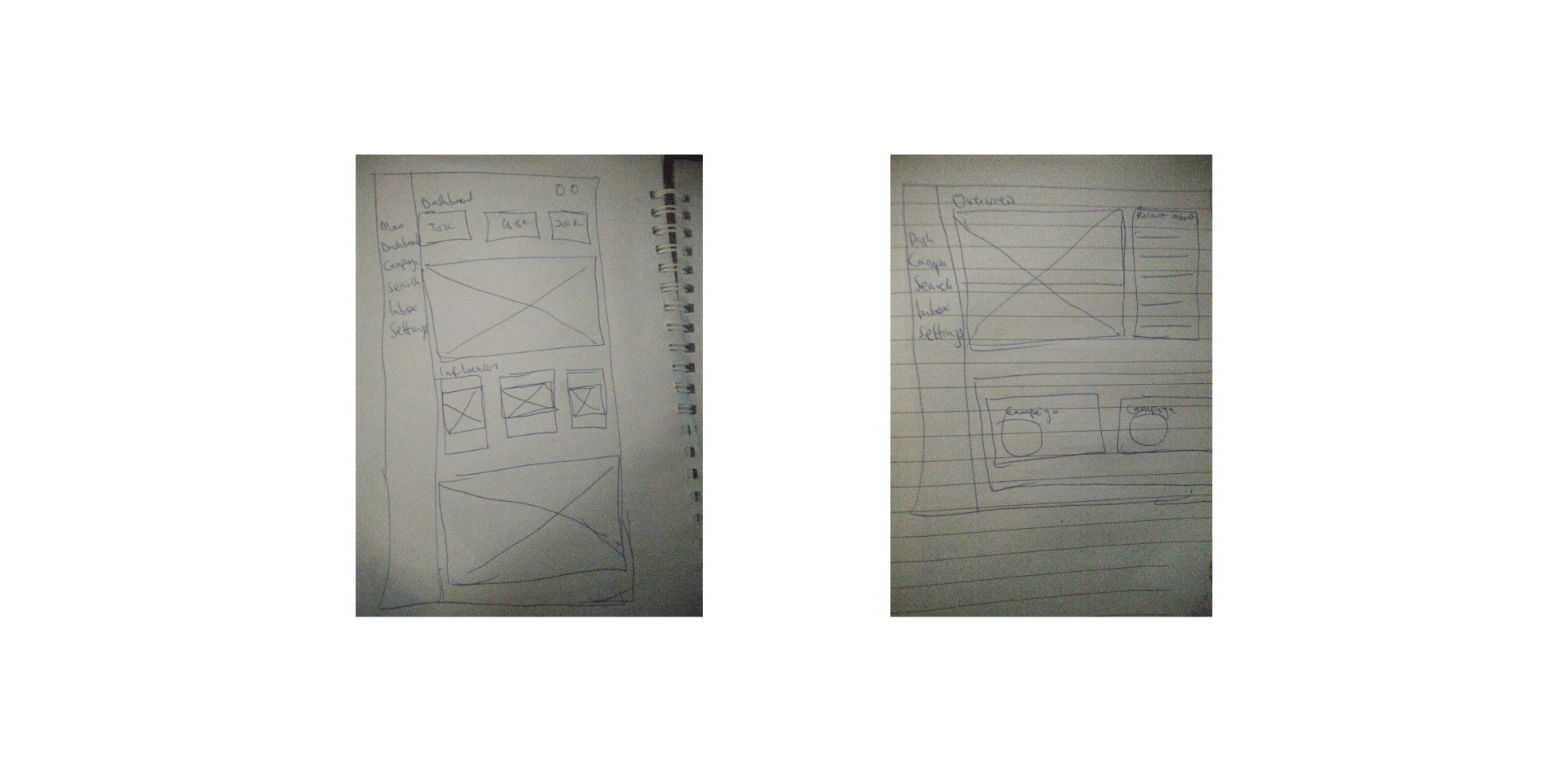
Stage IV: Prototype/Testing
For the visual design, I went for a friendly look for the colors while also making it look professional and easy to use. Here is the full visual design for the platform.
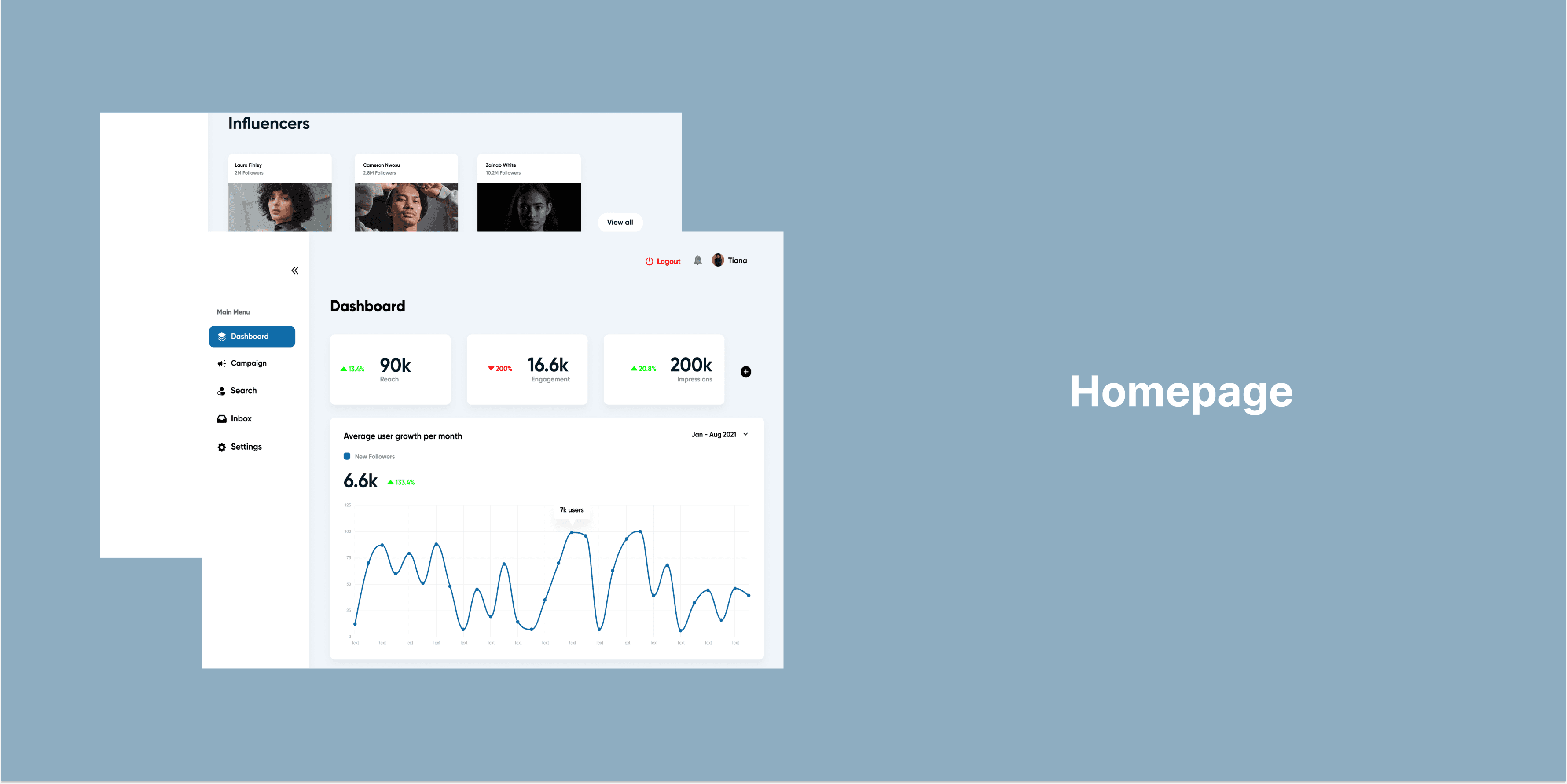
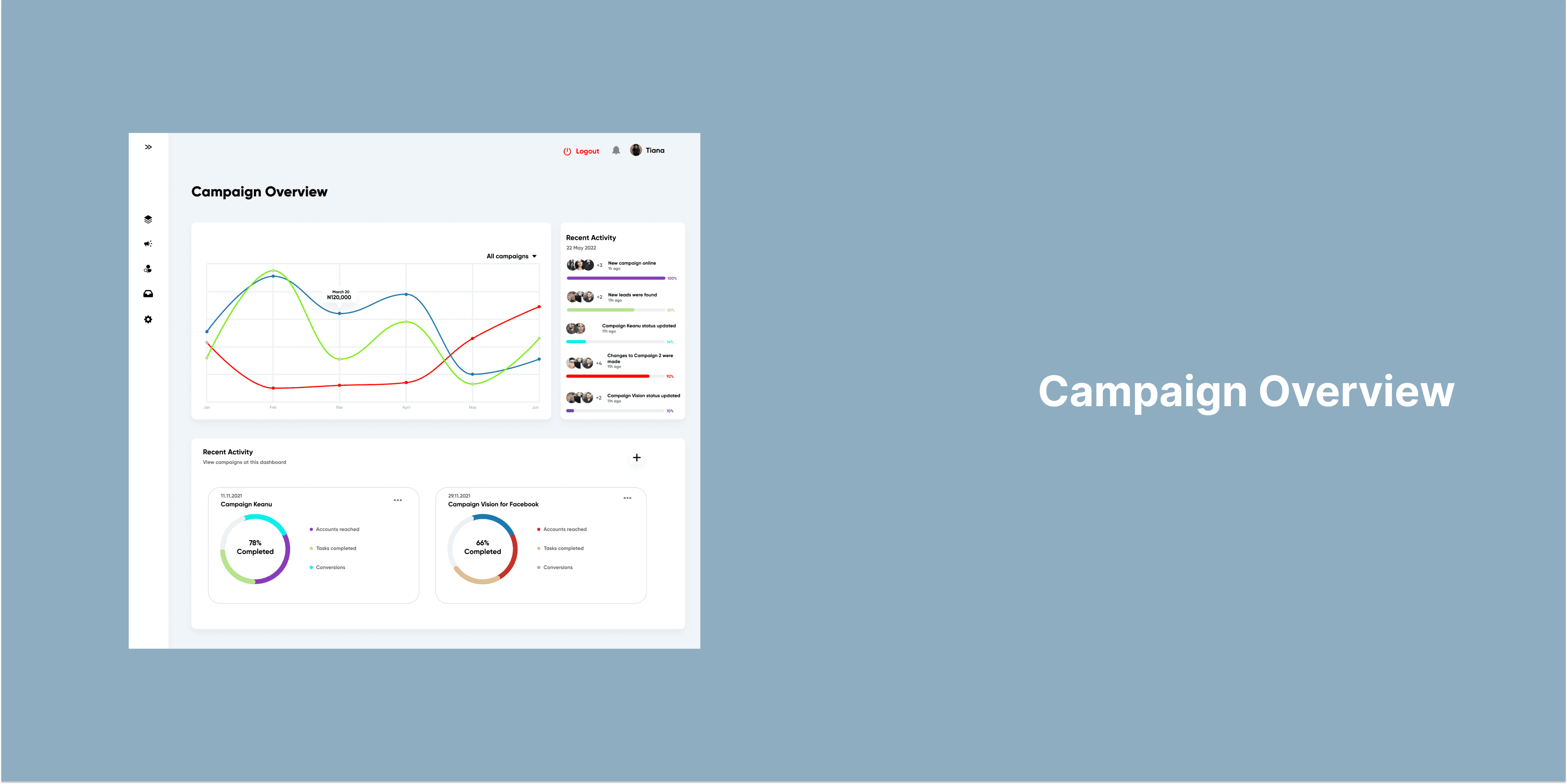
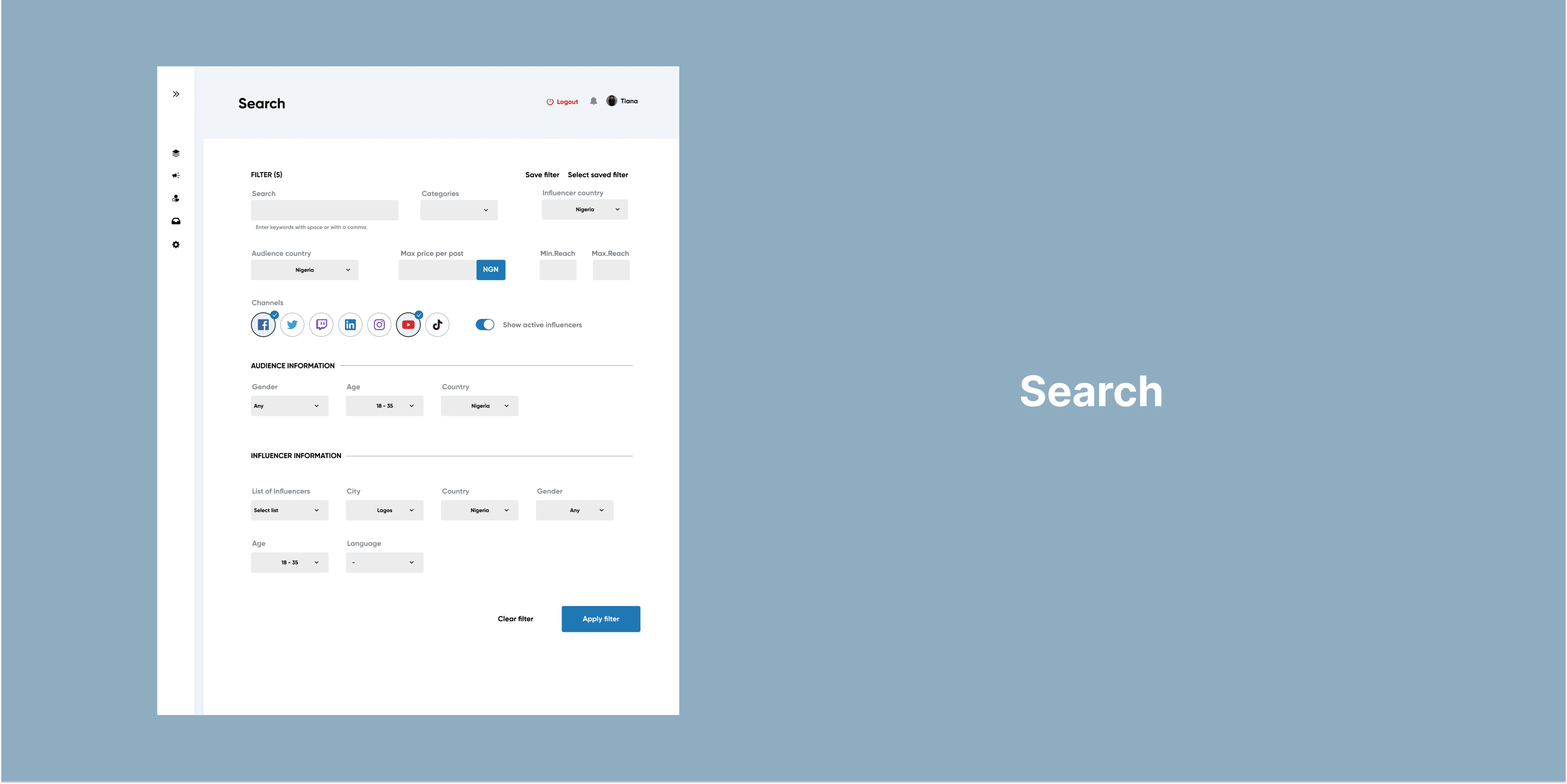
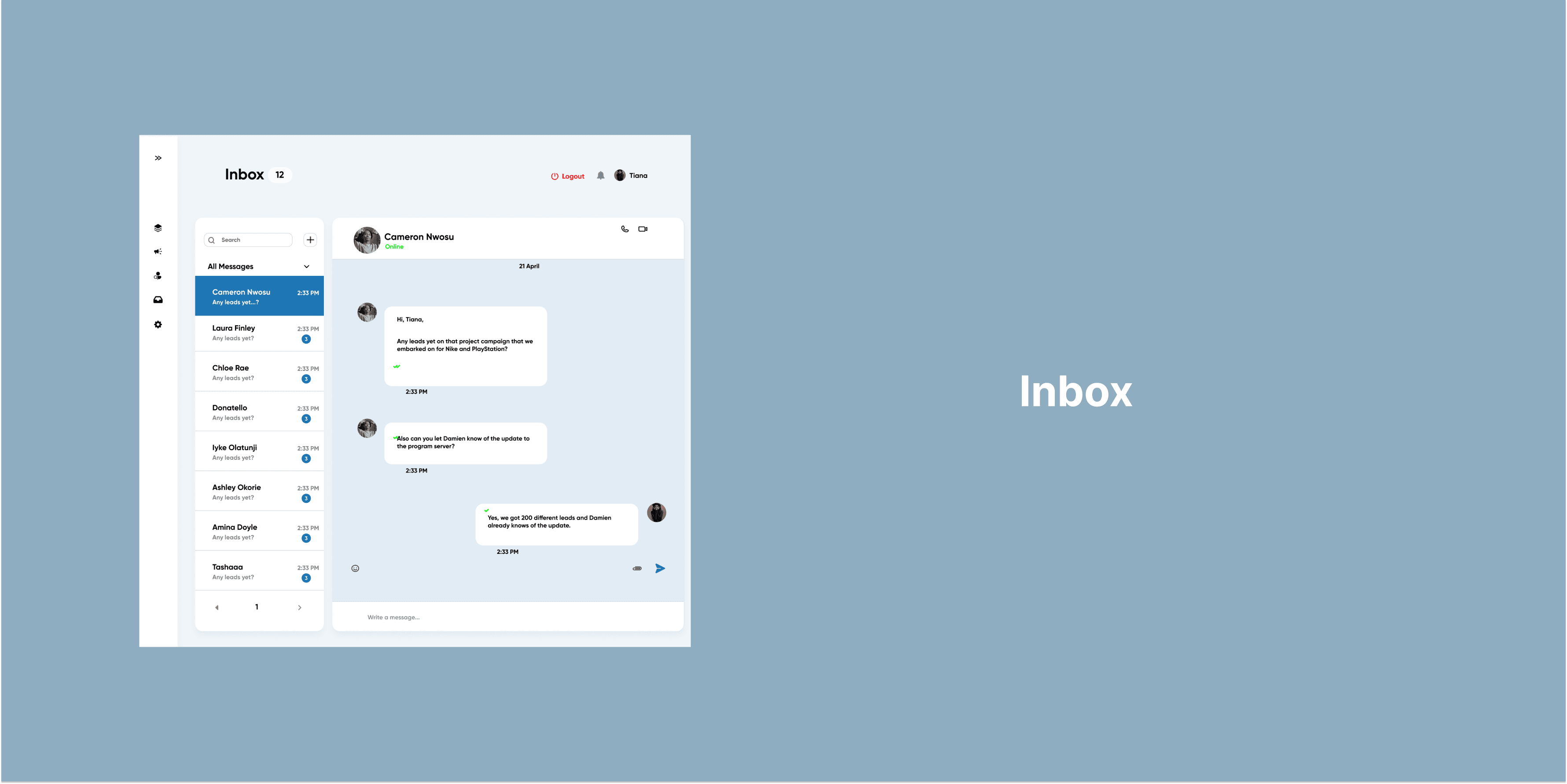
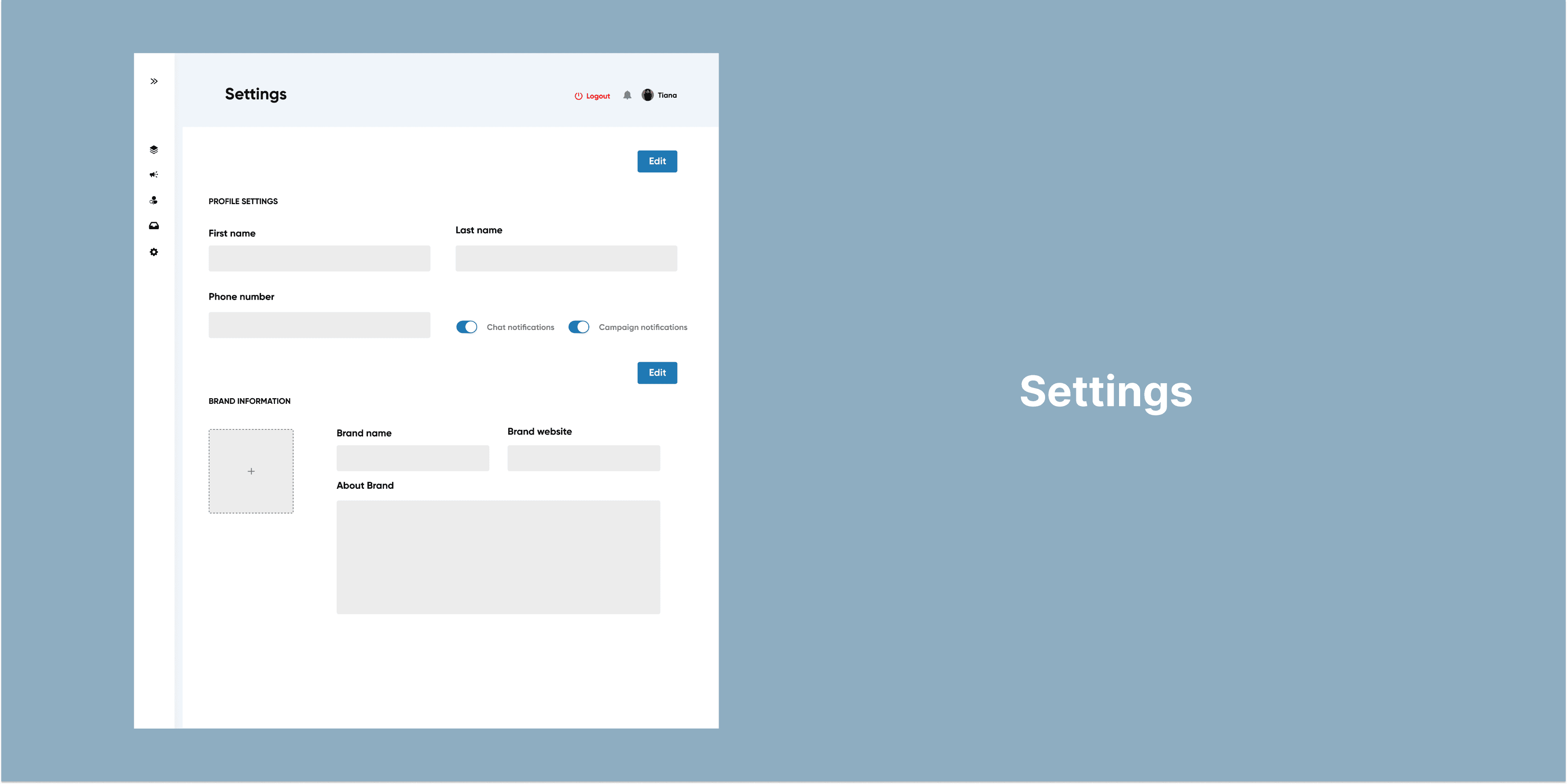
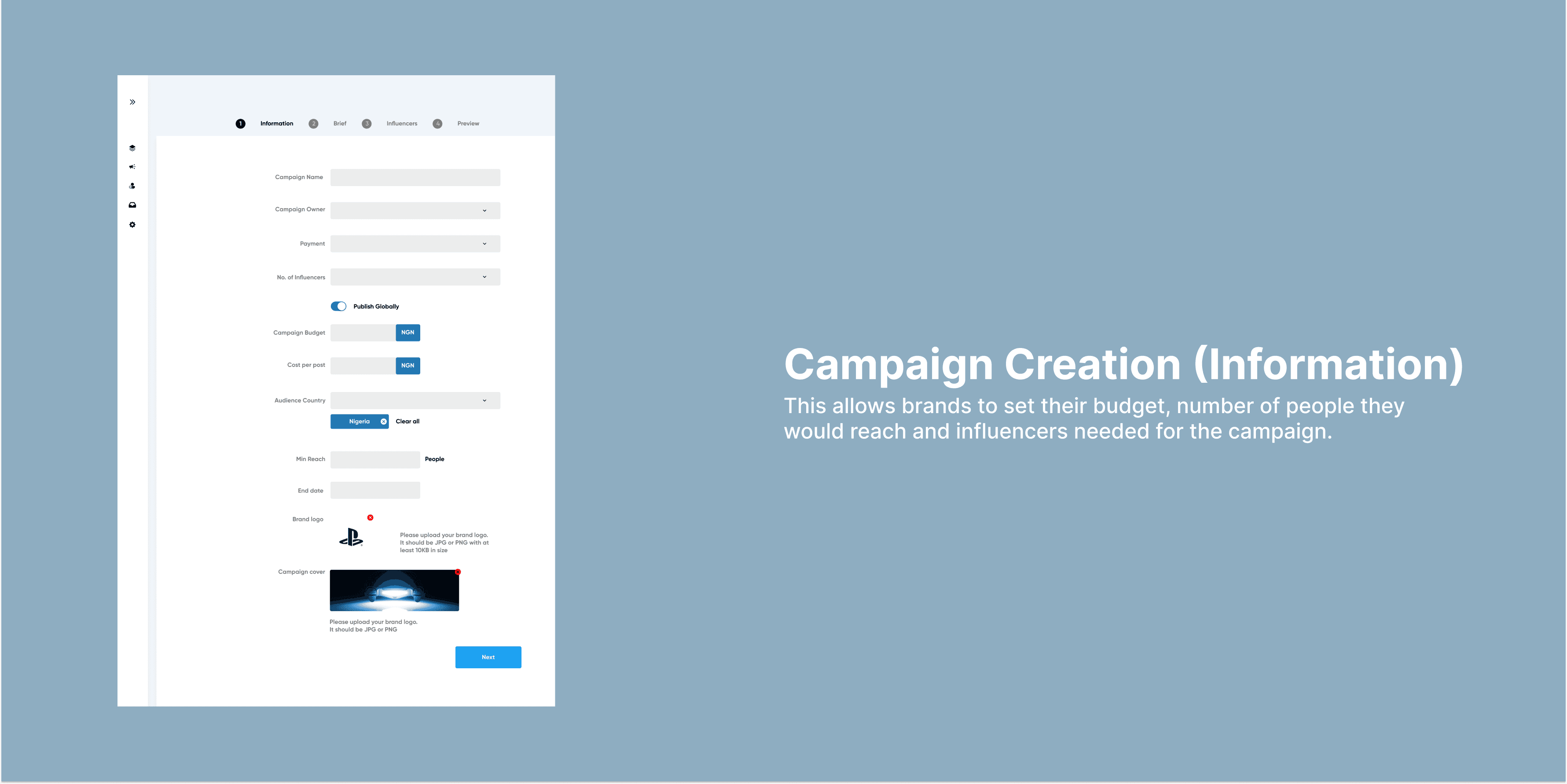
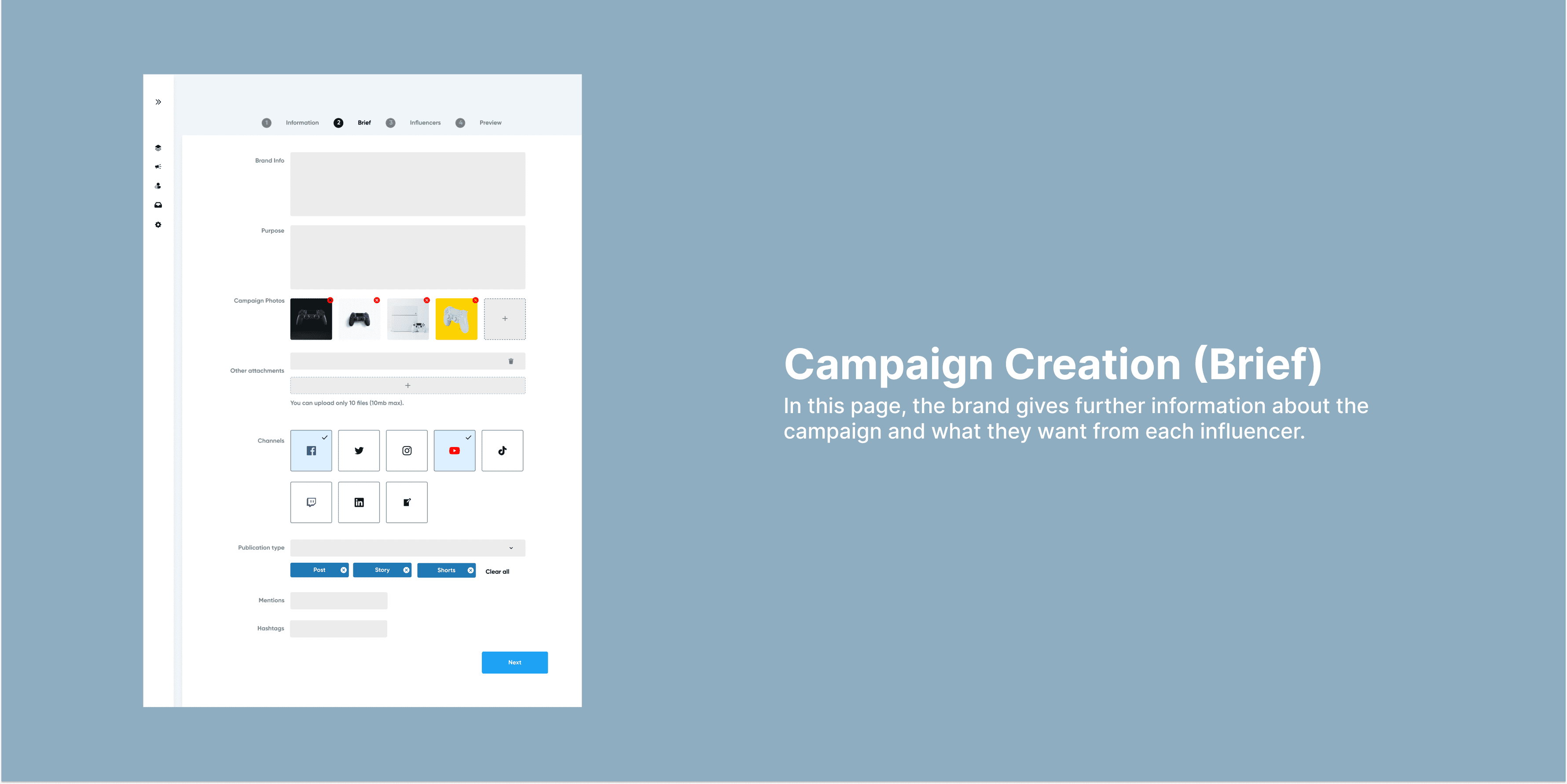
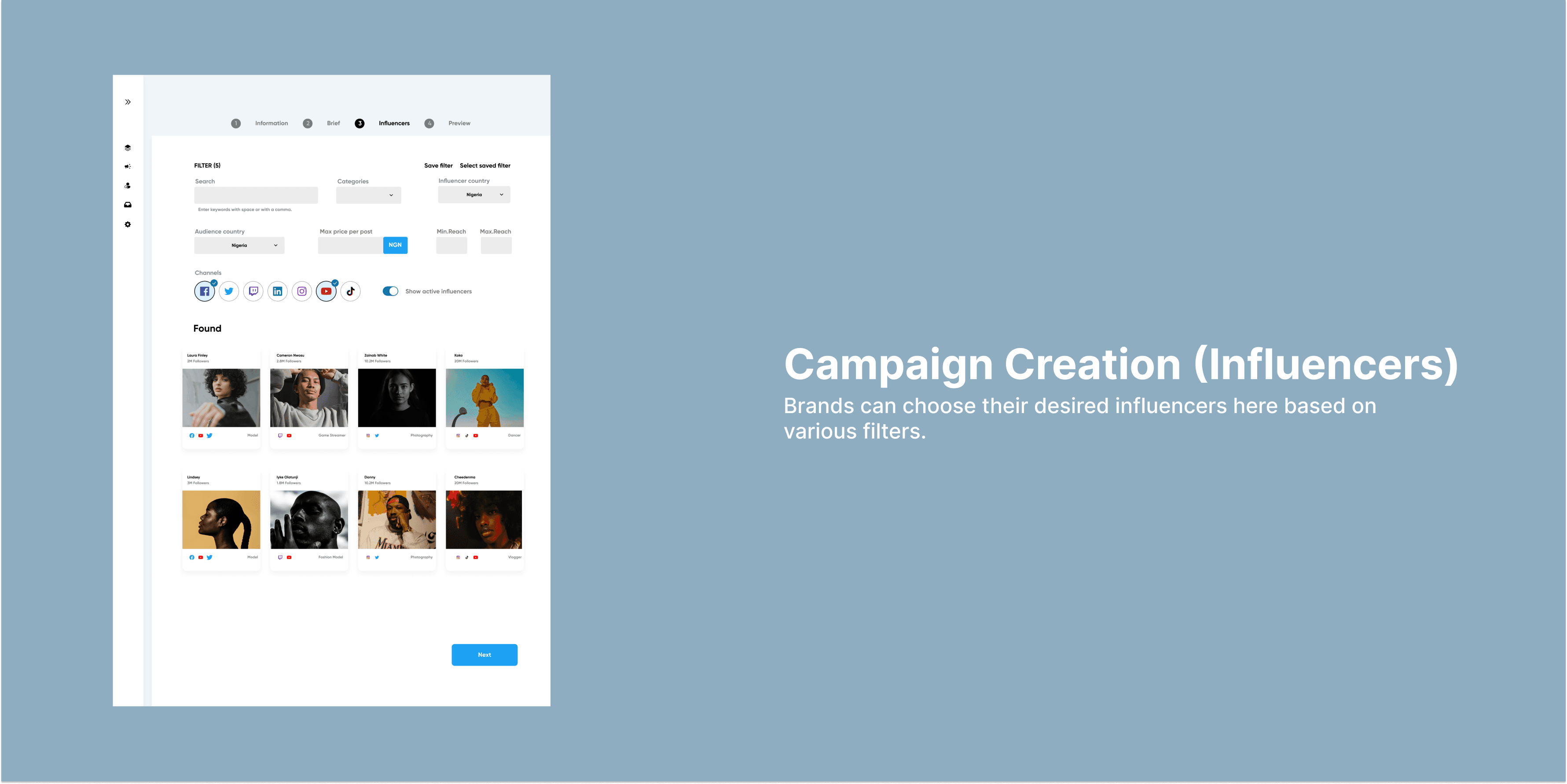
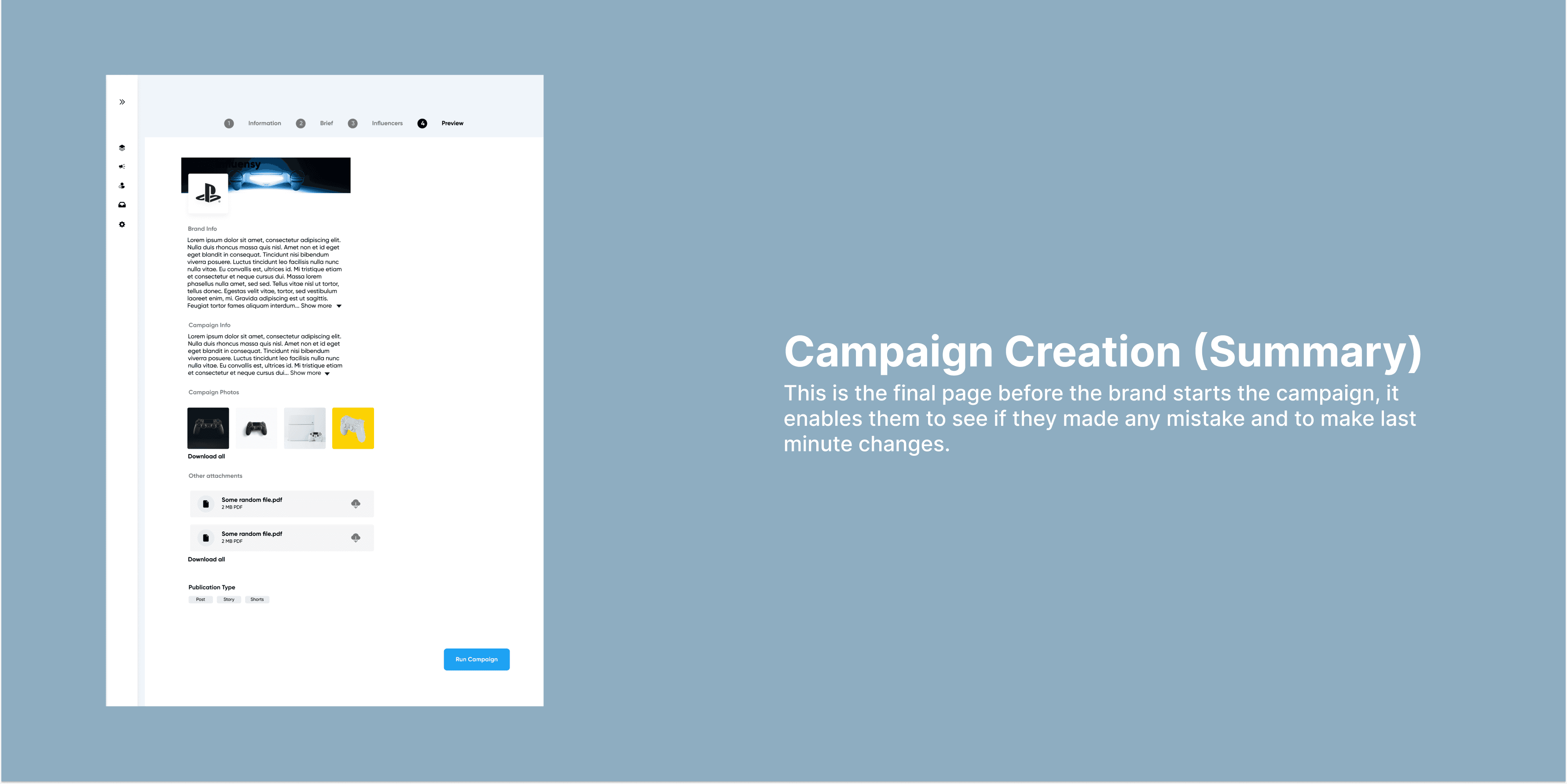
Click here for the interactive prototype
Usability Test
Later, I conducted a usability test to determine if it was easy to navigate through the website and platform dashboard for users and if they found any challenges that needed to be taken care of.
Below are the findings that I got through feedback and observations from the usability test.
Some of the users felt that the search feature was very intuitive and straightforward.
Users’ feelings towards the general UI of the platform were mixed as some felt that the design was pleasing to the eye and others thought that it was very functional.
The search filters made it quite easy for the users to search around for whatever items they were looking for.
Reflection
This dashboard design was my very first dashboard design and I am still not satisfied with it. I designed an earlier version of the dashboard which you can see here but I wasn't satisfied with that once hence this new design.
In retrospect, both designs are really good but to me, they're not enough and I'll still be working to improve on them and design a new one that is better. As a UX designer, there is nothing like a perfect design and we should be working every day to improve on what we have done, I hope to also get feedback on both these designs and let me know what I should improve on.
I’ll also start researching more on dashboard designs and I'll come up with something more befitting, functional, and satisfying for the users.
Lesson Learned
I learned that this process as a UX designer is a continuous process and that I should keep working and improving on my weaknesses. This project showed me that I still have a long way to go as a UI designer when it comes to dashboard designs and I hope that my next case study will show how far I have come.
What’s Next?
I’ll apply all that I've learned here in my next project.